Martine
Benchmarking Multi-View 3D Surface Reconstruction
Across Viewpoint Coverage, Resolution, and Lighting
3ROCS, Balgrist University Hospital 4Independent Researcher
*Equal contribution (joint first authors)
NeurIPS 2026 — Evaluations & Datasets Track
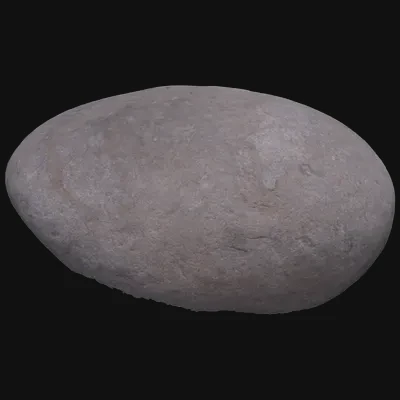
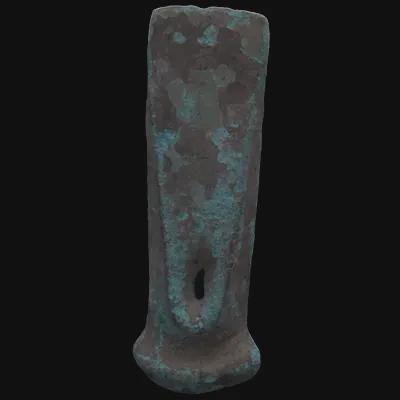
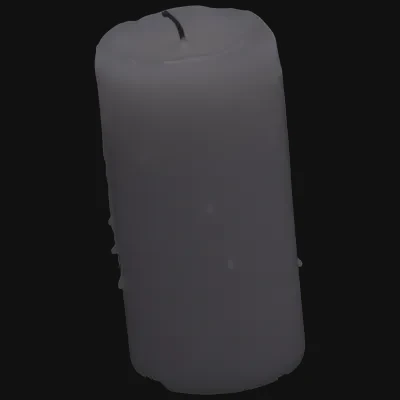
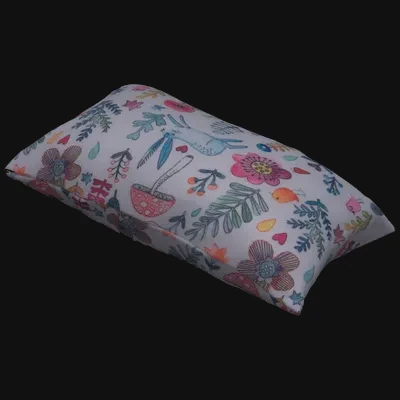
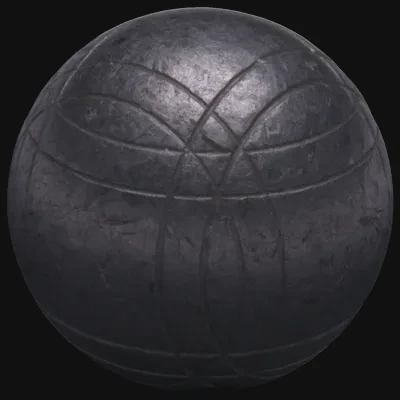
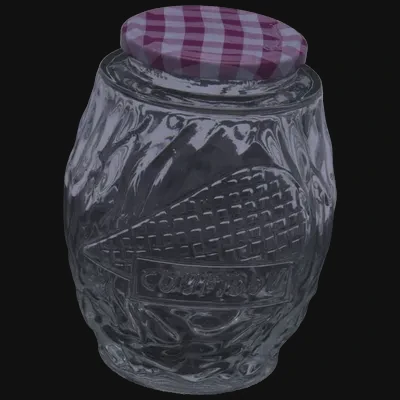
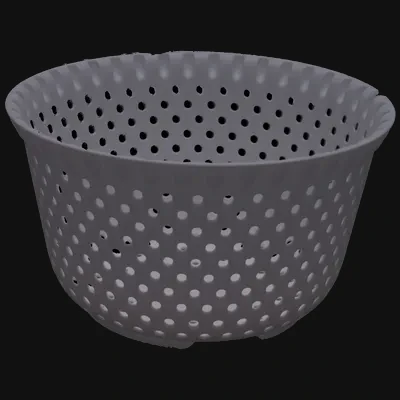
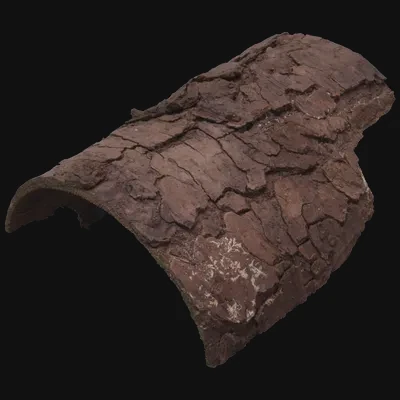
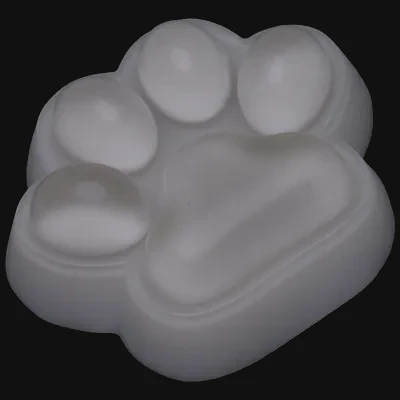
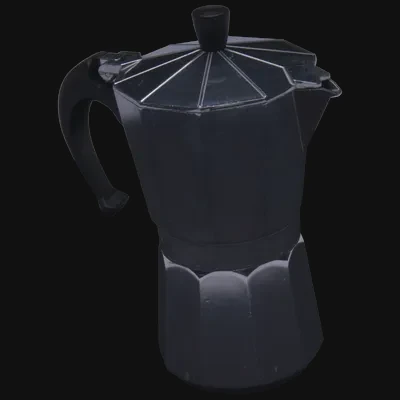
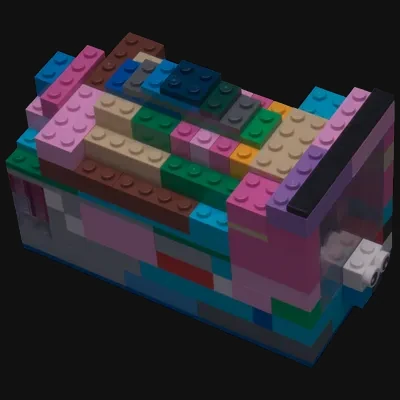
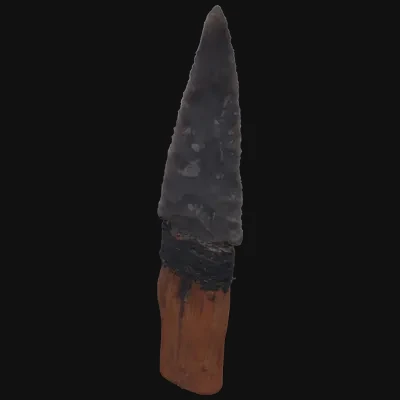
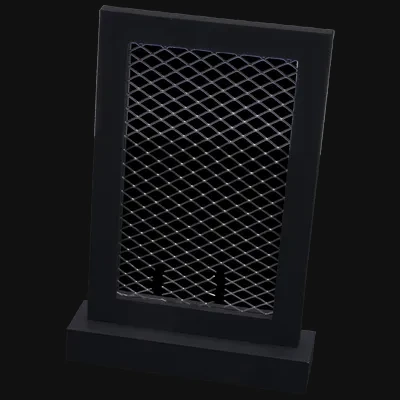
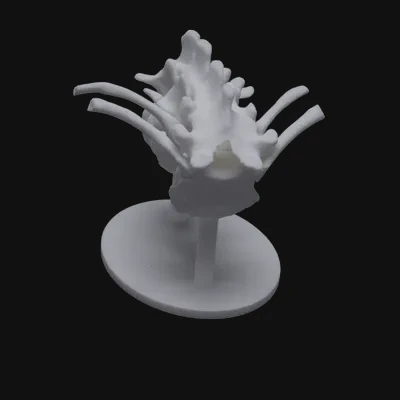
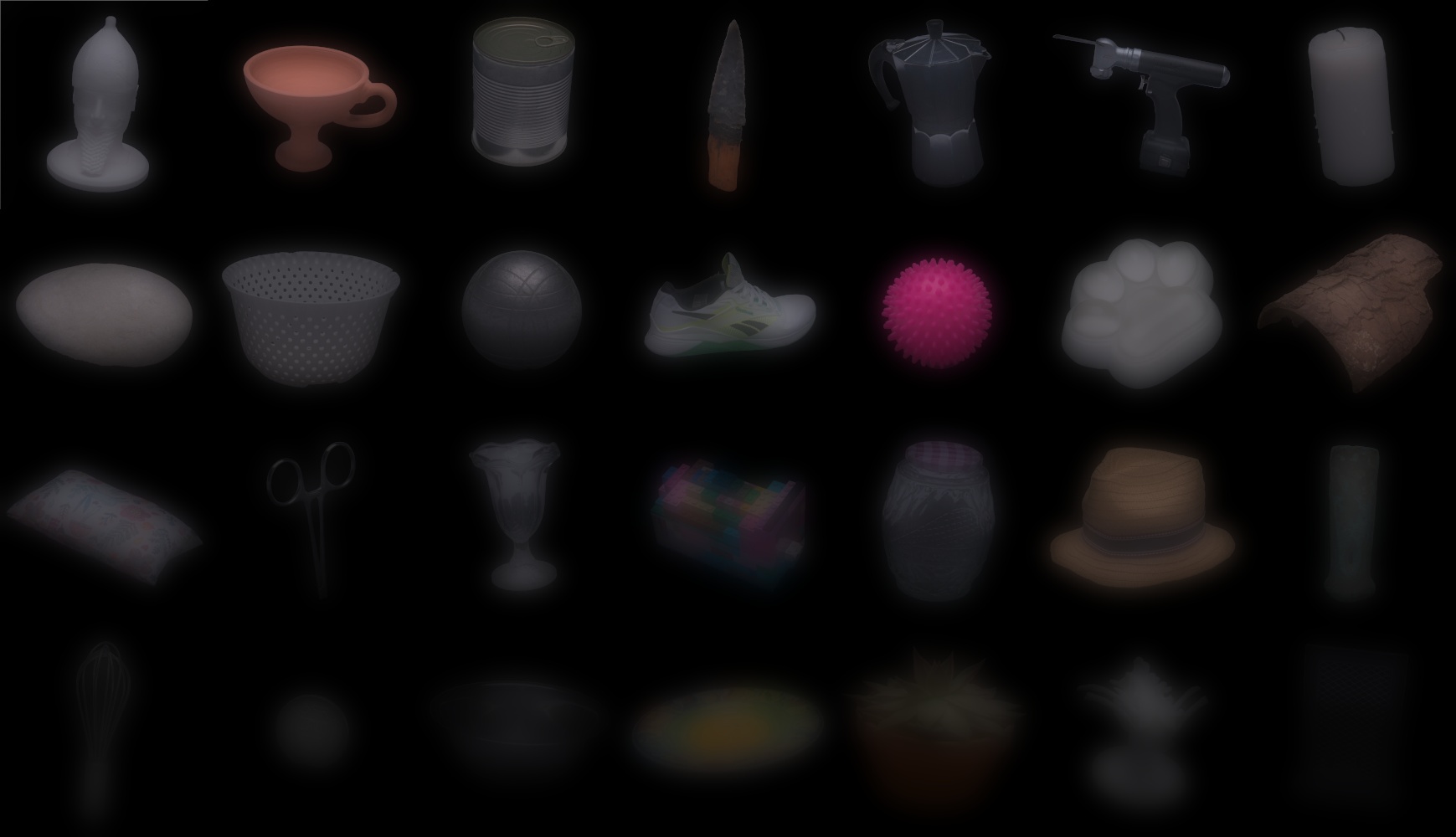
Controlled acquisition setups are widely used for high-accuracy multi-view 3D surface reconstruction, as they allow sensor configuration, image resolution, viewpoint distribution, and illumination to be specified. Yet benchmarking remains difficult, since reconstruction accuracy depends jointly on the reconstruction paradigm, object properties, and acquisition regime. Existing benchmarks often restrict viewpoint coverage, resolution, or illumination, which can bias comparisons towards methods suited to the chosen setting. Others lack accurate 3D ground truth or quantified image-to-geometry alignment, limiting their use for metric surface evaluation. We introduce Martine, a benchmark for controlled 3D object surface reconstruction. Martine comprises 28 objects, including transparent materials and fine structures, captured at 9568×6376 pixels from 84 views over a spherical cap under both single-light and multi-light regimes. It provides object-independent camera calibration, accurate 3D ground-truth scans, calibration and image-to-geometry accuracy quantified on test images, and 3D property masks for analysing errors by material properties, visibility, curvature and fine structures. Experiments across photogrammetry, classical multi-view stereo, neural implicit surfaces, Gaussian-splatting-based reconstruction, and multi-view photometric stereo show that Martine enables regime-aware evaluation with explicit control over reference-data accuracy. The benchmark resolves sub-millimetric reconstruction differences, with a best observed Chamfer distance of 0.058 mm over the evaluated visible surface.